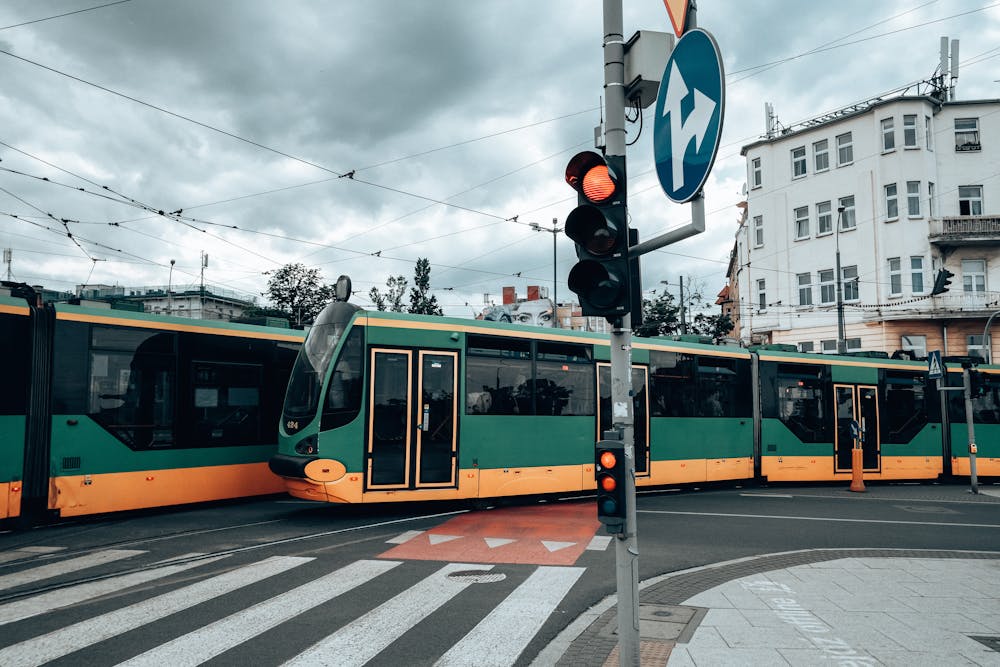
Public transport in Poznań is more than just a way to get from one lecture hall to another. For thousands of students, it forms the backbone of daily life—connecting campuses, dormitories, part-time jobs and social hotspots. Understanding how public transport in Poznań for students works can significantly reduce costs, save time and make city life far more manageable. The system is well-developed, relatively affordable and increasingly digital, but it requires some familiarity to fully benefit from its advantages.
Ticket Options and Discounts for Students
The first thing that draws attention is the extensive range of ticketing options tailored specifically to students. Poznań offers one of the more flexible systems in Poland, especially when it comes to reduced fares.
Students enrolled in Polish universities are entitled to significant discounts, often reaching up to 50%. This applies to both short-term and long-term tickets, making public transport in Poznań for students particularly accessible.
Key ticket types include:
- Single-ride tickets, valid for a limited time (e.g. 15, 30, 45 minutes)
- Daily and multi-day passes
- Monthly or semester-based tickets integrated with the PEKA card system
The PEKA card—Poznań’s electronic ticket system—is essential. It allows students to:
- Load long-term tickets
- Pay for rides based on actual travel time
- Avoid buying paper tickets altogether
An important detail is the fare zone structure. While most students operate within Zone A (the city itself), those living in suburban areas need to consider extended zones, which slightly increase the cost.
From a financial perspective, investing in a monthly ticket is often the most economical choice for students commuting daily. Occasional users, on the other hand, benefit from time-based tickets, especially when combining multiple routes within one journey.
How to Navigate Poznań’s Public Transport System
Poznań’s transport network is built around trams and buses, both of which operate with impressive regularity. Trams form the backbone of the system, offering fast and reliable connections across key districts, including major academic hubs.
Understanding public transport in Poznań for students requires familiarity with a few core elements:
- Trams: The fastest option, especially during peak hours
- Buses: Complement tram lines, reaching areas without rail access
- Interchange points: Key hubs like Rondo Kaponiera or Most Teatralny
The city’s layout makes navigation relatively intuitive. Most university campuses are well-connected, and frequent services reduce waiting times significantly.
However, there are nuances worth noting:
- Peak hours (7:00–9:00 and 15:00–17:00) can be crowded
- Some lines change routes during weekends or holidays
- Temporary disruptions due to construction are not uncommon
Reading timetables is straightforward, but many students rely on real-time updates rather than static schedules. Stops are clearly marked, and electronic boards display upcoming departures, delays and route changes.
For newcomers, the biggest challenge is often learning how to combine routes efficiently. Direct connections are not always available, so transferring between tram and bus lines becomes part of daily routine. Fortunately, integrated ticketing ensures that such transfers do not increase costs within the validity period.
Poznań’s system rewards those who quickly adapt. Once mastered, it becomes a dependable and efficient tool—one that supports both academic responsibilities and the broader experience of student life in the city.
Night Transport and Safety Considerations
As the academic day transitions into evening social life, public transport in Poznań for students continues to operate—albeit in a slightly different rhythm. Night transport plays a crucial role, especially for those attending late lectures, working evening shifts or simply enjoying the city’s vibrant nightlife.
Night lines are primarily bus-based and marked with the letter “N.” They run less frequently than daytime services, typically every 30 to 60 minutes, and follow extended routes that connect key districts with the city center.
Important aspects of night transport include:
- Central interchange at Rondo Kaponiera, acting as the main hub for night lines
- Clearly scheduled departures designed to allow transfers between lines
- Reduced traffic, which often makes journeys faster despite fewer connections
Safety is a central concern for many students traveling after dark. Poznań’s public transport system is generally considered secure, but there are practical habits worth adopting:
- Sit closer to the driver or in well-lit areas of the vehicle
- Avoid empty carriages late at night
- Keep personal belongings within sight at all times
Additionally, most vehicles are equipped with monitoring systems, and drivers are trained to respond to unusual situations. This infrastructure enhances the sense of security, particularly for students unfamiliar with the city.
Night transport may not offer the same frequency as daytime services, but it remains a reliable option. For many students, it eliminates the need for costly alternatives such as taxis or ride-sharing services.
Digital Tools and Apps for Everyday Commuting
Modern commuting in Poznań is increasingly shaped by digital solutions. For students, mastering these tools is almost as important as understanding routes themselves. Public transport in Poznań for students has embraced technology, making navigation faster, more intuitive and far more convenient.
Several mobile applications dominate daily usage:
- Jakdojade – the most popular journey planner in Poland
- MPK Poznań app – official source for updates and announcements
- Google Maps – widely used for basic navigation and real-time tracking
These tools offer a range of practical features:
- Real-time departure information
- Route planning with transfers and walking directions
- Notifications about delays, disruptions or route changes
Jakdojade, in particular, stands out due to its precision. It allows users to compare different routes, estimate travel time and even purchase tickets directly within the app. For students constantly moving between lectures, dorms and part-time jobs, this level of control is invaluable.
Another key element is ticket digitization. Many students no longer carry physical tickets or even rely solely on the PEKA card. Instead, they:
- Buy and store tickets digitally
- Validate rides through mobile devices
- Track travel history and expenses
This shift reflects a broader trend toward efficiency and sustainability. It reduces queues at ticket machines and simplifies the entire commuting process.
In a city where time often feels limited, digital tools transform public transport in Poznań for students into a system that is not only accessible, but also highly adaptable to the fast-paced rhythm of academic life.
Are you visiting Poznań and looking for accommodation? Check: apartments in Poznan.